Sociology for the Good Life
Here you can practise sociological thinking through 80 chapters of reading, reflection, and exercises. Pick a chapter in the table of contents, or search the menu for what you want to understand better. From the exercises you can also continue to the theory book and the diagnosis catalog.

Table of contents
Start Where You Are



Learn to View Your Life Sociologically
5 Biography and History6
 Discourses and Narratives7
 Structure, Habitus, Field, and Capital8
 Roles, Rituals, and Emotional Energy9
 Emotional Regulations, Shame, and Care10
 Power, Status, and Intersections11
 Body, Nature, Objects, and Technology12
 Time, Acceleration, and Rhythm13
 Morality, Meaning, and Citizenship14
 Formulating a Comprehensive Yet Delimited Sociological Framework
Biography and History6Discourses and Narratives7Structure, Habitus, Field, and Capital8Roles, Rituals, and Emotional Energy9Emotional Regulations, Shame, and Care10Power, Status, and Intersections11Body, Nature, Objects, and Technology12Time, Acceleration, and Rhythm13Morality, Meaning, and Citizenship14Formulating a Comprehensive Yet Delimited Sociological FrameworkCommon Challenges as Sociological Entry Points
15 When Anxiety and Fear Take Over16
 Low Mood, Low Energy, and Loss of Vitality17
 Stress, Exhaustion, and Sleep Problems18
 Loneliness and a Lack of Belonging19
 Relationships, Conflicts, and Boundaries20
 Shame, Self-Contempt, Status, and the Body21
 Meaninglessness, Boredom, and Loss of Direction22
 Being Stuck Even Though You Understand23
 Digital Overstimulation, Consumption, and Addiction-Like Patterns24
 Grief, Crisis, and Life Transitions25
 Discrimination, Dominance, and Limited Agency26
 When a Psychiatric Diagnosis Is Also Relevant
When Anxiety and Fear Take Over16Low Mood, Low Energy, and Loss of Vitality17Stress, Exhaustion, and Sleep Problems18Loneliness and a Lack of Belonging19Relationships, Conflicts, and Boundaries20Shame, Self-Contempt, Status, and the Body21Meaninglessness, Boredom, and Loss of Direction22Being Stuck Even Though You Understand23Digital Overstimulation, Consumption, and Addiction-Like Patterns24Grief, Crisis, and Life Transitions25Discrimination, Dominance, and Limited Agency26When a Psychiatric Diagnosis Is Also RelevantABT as a Sociological Compass
27 What Balance Means and Does Not Mean28
 Public Orientation: Citizenship, Attention, and Focus29
 Relationships, Power, and Identity: Struggle, Relationality, and Identity30
 Understanding and Action: Complexity, Wisdom, and Action31
 Vitality and Meaning: Emotions, Flourishing, and Meaning32
 Time and Opportunity: Time, Opportunity, and Rhythm33
 The Body and Openness to the World34
 A Preliminary Balance Profile
What Balance Means and Does Not Mean28Public Orientation: Citizenship, Attention, and Focus29Relationships, Power, and Identity: Struggle, Relationality, and Identity30Understanding and Action: Complexity, Wisdom, and Action31Vitality and Meaning: Emotions, Flourishing, and Meaning32Time and Opportunity: Time, Opportunity, and Rhythm33The Body and Openness to the World34A Preliminary Balance ProfileFrom Insight to Socio-Aesthetics
35 Social Rules and Sociological Rules of Thumb36
 Find an Anchor: The Change That Can Affect Multiple Aspects of Life37
 Designing a Social Experiment at the Micro, Meso, or Macro Level38
 Build a supportive social network with allies, mentors, groups, and cultural resources39
 Creating Energy, Rhythm, and Momentum Without Turning Life into a Performance Project40
 Working in Cycles—Formulate, Prioritize, Test, Observe, Evaluate, and Reformulate41
 When Change Is Blocked—Structural Barriers, Lack of Resources, Resistance from Other Actors, and the Need for Additional Assistance42
 From Private Life to a Possible Civic Horizon
Social Rules and Sociological Rules of Thumb36Find an Anchor: The Change That Can Affect Multiple Aspects of Life37Designing a Social Experiment at the Micro, Meso, or Macro Level38Build a supportive social network with allies, mentors, groups, and cultural resources39Creating Energy, Rhythm, and Momentum Without Turning Life into a Performance Project40Working in Cycles—Formulate, Prioritize, Test, Observe, Evaluate, and Reformulate41When Change Is Blocked—Structural Barriers, Lack of Resources, Resistance from Other Actors, and the Need for Additional Assistance42From Private Life to a Possible Civic HorizonSociologists to the Rescue
43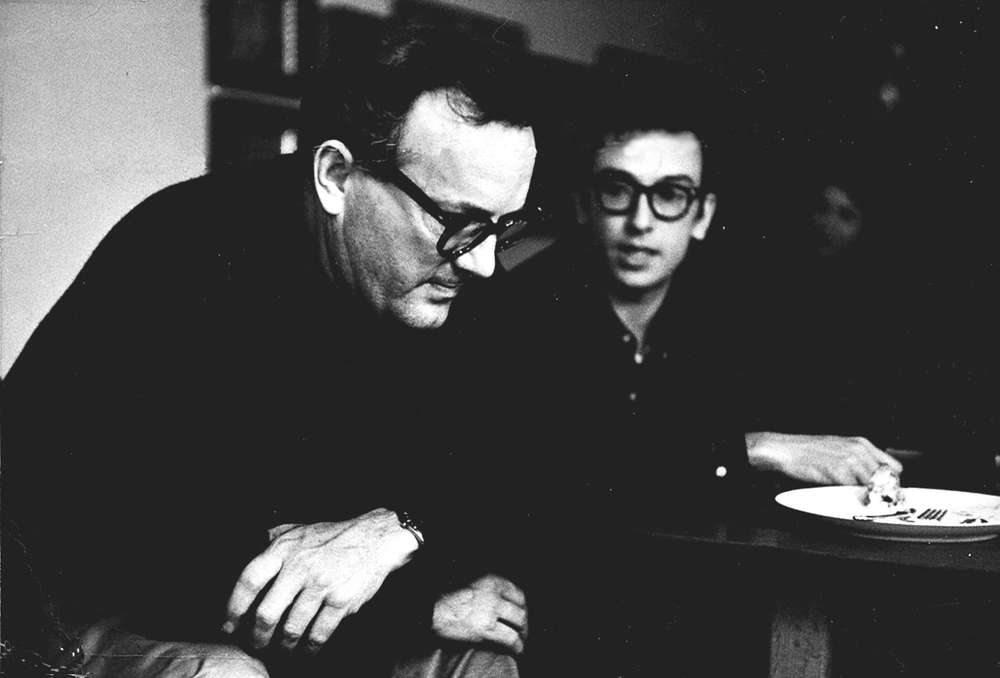 C. Wright Mills—Connecting One’s Life to One’s Times44
 Erving Goffman—Understanding Situations, Roles, and Interactions45
 Pierre Bourdieu—Sociology as Self-Defense46
 Arlie Hochschild—Understanding the Social Conditions of Emotions47
 Randall Collins—Building Interactions That Generate Emotional Energy48
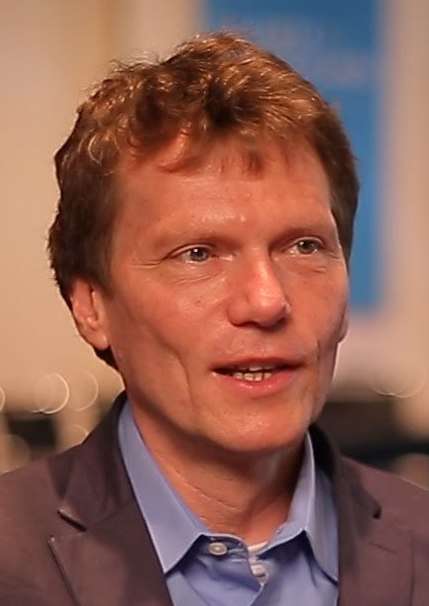 Hartmut Rosa—Seeking Resonance in an Accelerated Society49
 Charles Taylor—Navigating Values, Identity, and Recognition50
 Robert K. Merton—Seeing Social Feedback Loops and Unexpected Consequences51
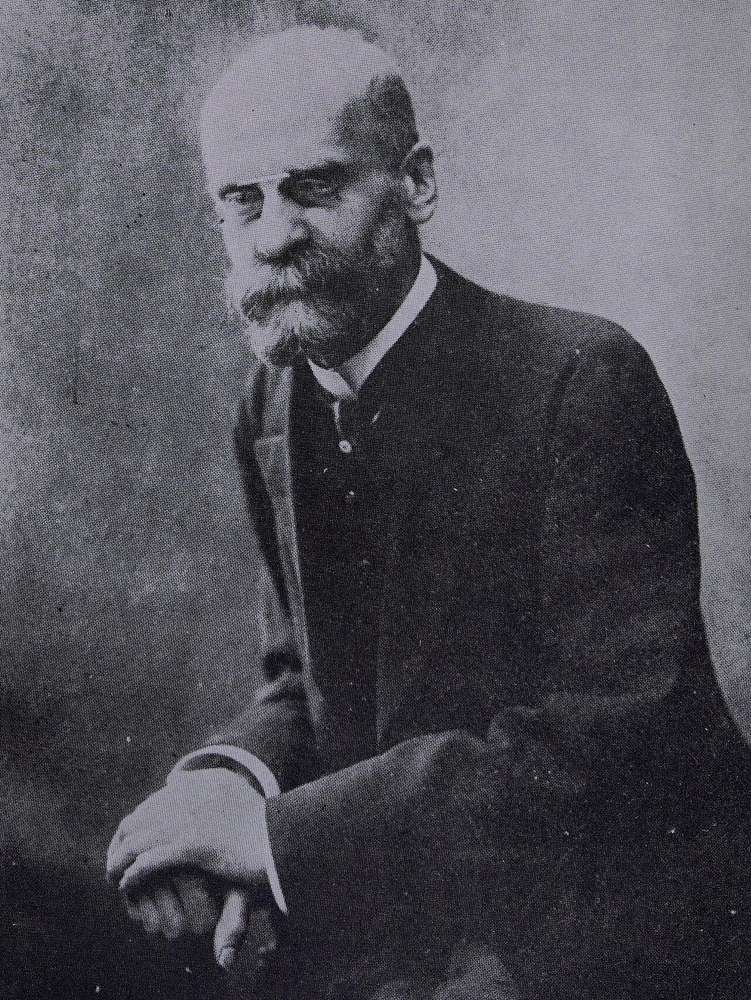 Émile Durkheim—Building a Sense of Belonging and Reasonable Boundaries52
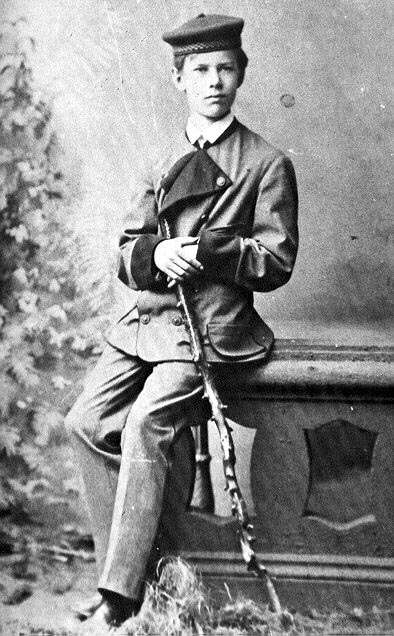 Max Weber—Uniting Understanding, Values, and Responsibility53
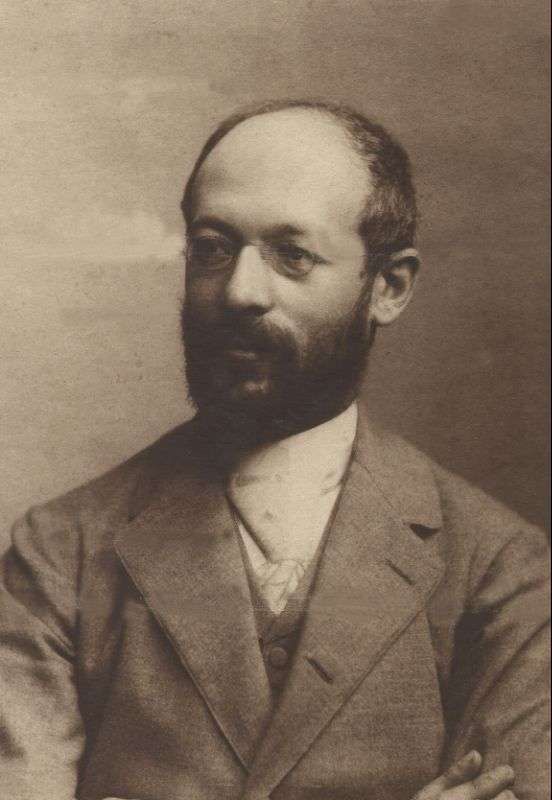 Georg Simmel—Understanding Forms, Distances, and the Pace of the Metropolis54
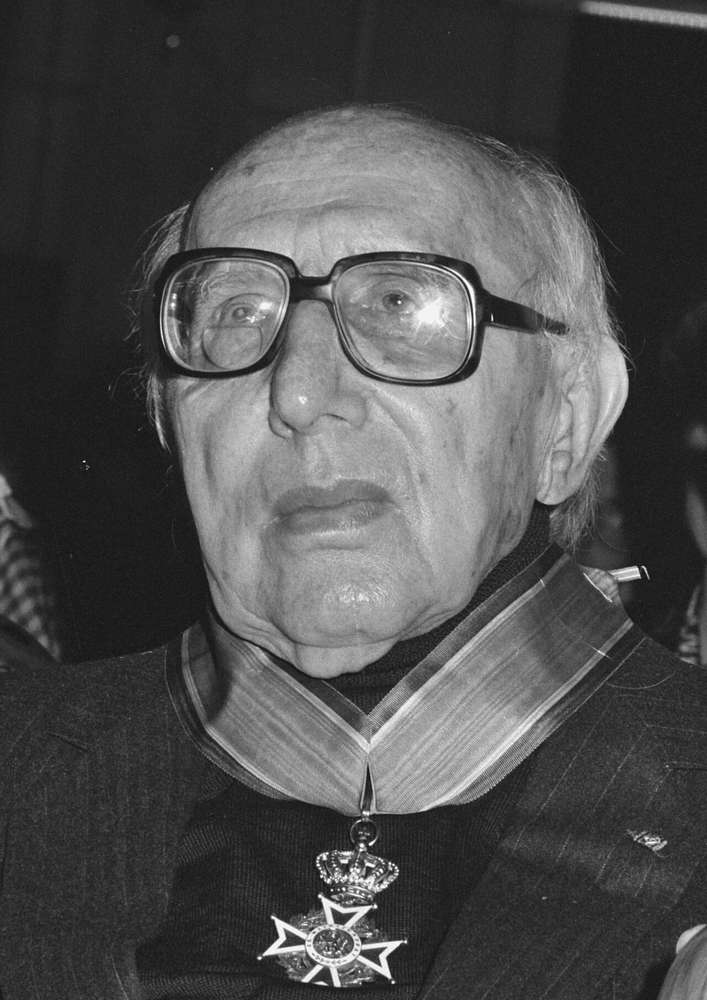 Norbert Elias—Seeing Chains of Dependency and Shifting Balances of Power55
 Margaret Archer—Reconciling Social Conditions with Reflexive Action56
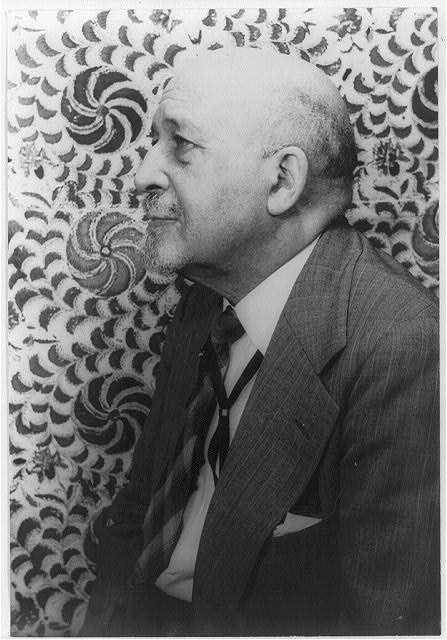 W. E. B. Du Bois—Understanding the Racialized Gaze and the Divided World57
 Harriet Martineau—Observing Ideals, Institutions, and Everyday Life58
 Jane Addams—Creating Democracy Through Collective Experiments59
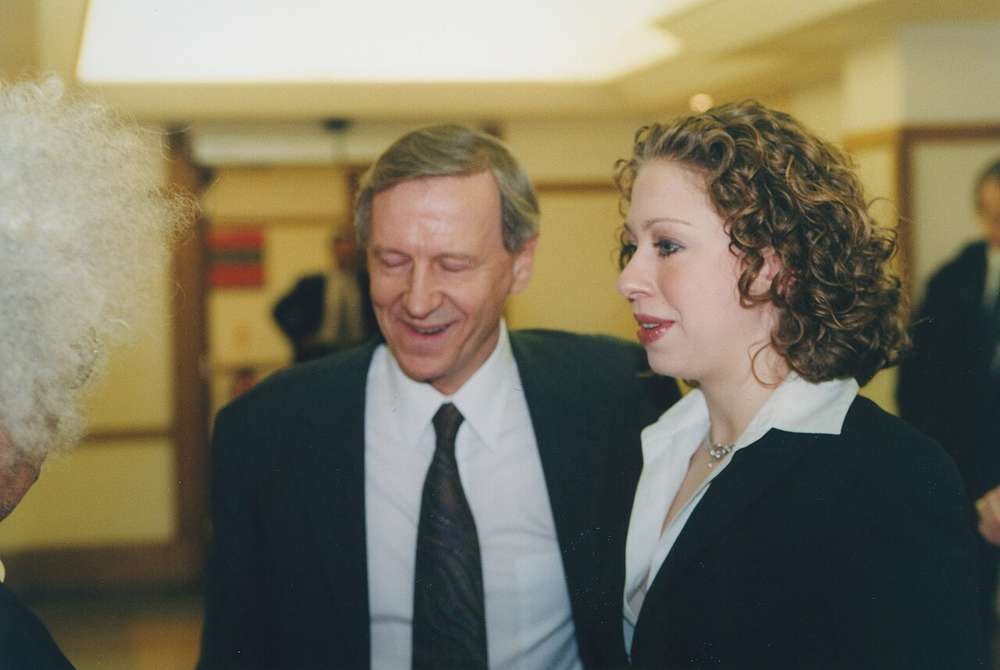 Anthony Giddens—Acting Within Structures That Are Simultaneously Being Reconstructed60
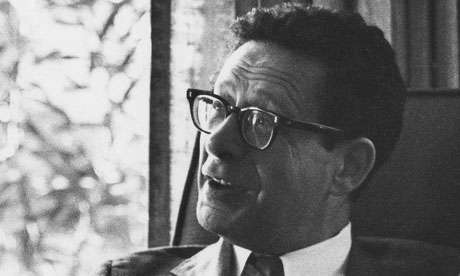 Harold Garfinkel—Discovering How Social Order Is Made61
 Howard S. Becker—Following Rules, Etiquette, and Collective Work62
 Ann Swidler—Using Culture as a Tool and Repertoire of Action63
 Mark Granovetter—Seeing Bridges, Embedding, and Thresholds64
 Roland Paulsen—Examining Classification, Work, Anxiety, Obedience, and Resistance65
 Michel Foucault—Exploring Discipline, Governance, and Subjectivation66
 Nikolas Rose—Seeing How Expert Knowledge Governs Through the Self67
 Eva Illouz—Understanding Emotions in the Institutions of Capitalism and Therapy68
 Richard Sennett—Reclaiming Craftsmanship, Collaboration, and Respect69
 Viviana Zelizer—Organizing Money According to Relationships and Values70
 Bruno Latour—Tracking Networks of People and Things71
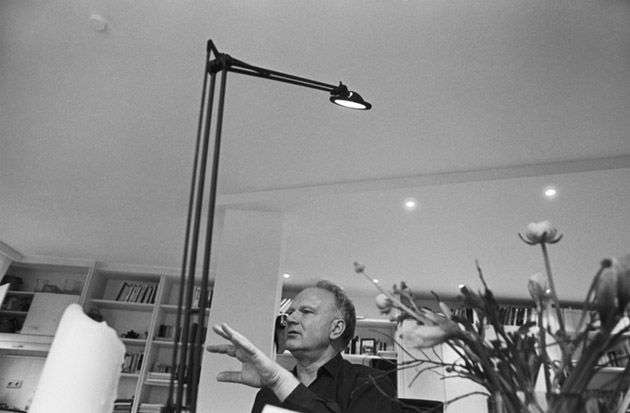 Ulrich Beck—Living and Acting in the Risk Society72
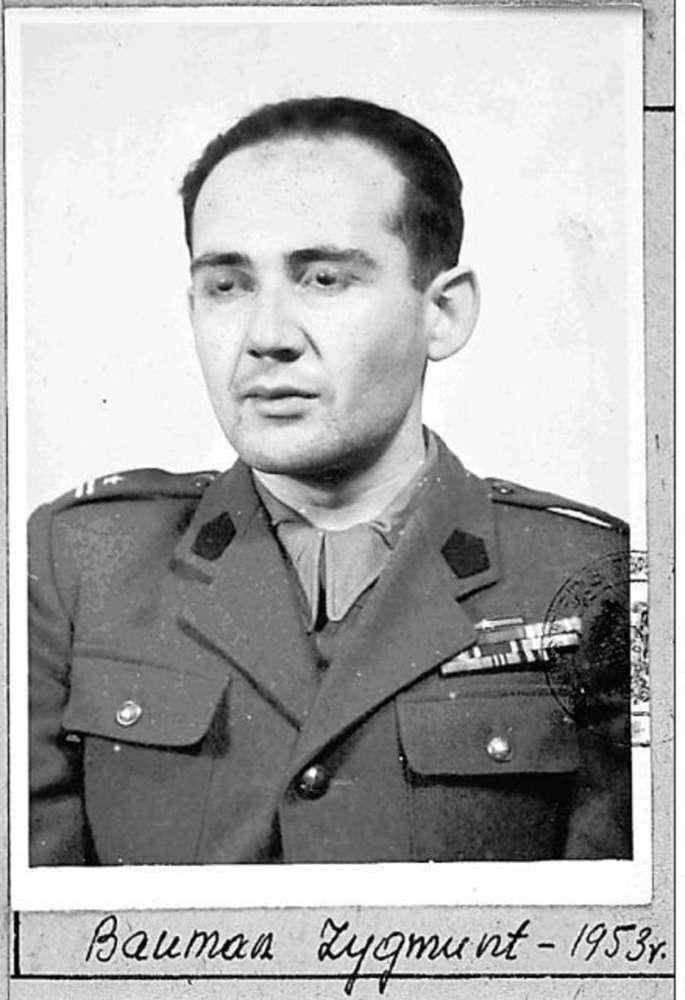 Zygmunt Bauman—Creating Connections in Liquid Modernity73
 Thomas Scheff—Understanding Shame and Repairing Social Bonds74
 Aaron Antonovsky—Building Comprehensibility, Manageability, and Meaning75
 Loïc Wacquant—Understanding the Body, Place, and Institutional Marginalization76
 Beverley Skeggs—Seeing Class, Respectability, and How Human Worth Is Valued77
 Annette Lareau—Understanding Families’ Different Encounters with Institutions78
 Ronald Burt—Using Network Gaps Without Monopolizing Them79
 Charles Tilly—Understanding Persistent Inequality and Collective Action80
 Eric Klinenberg—Building Social Infrastructure for Everyday Life and Crisis
C. Wright Mills—Connecting One’s Life to One’s Times44Erving Goffman—Understanding Situations, Roles, and Interactions45Pierre Bourdieu—Sociology as Self-Defense46Arlie Hochschild—Understanding the Social Conditions of Emotions47Randall Collins—Building Interactions That Generate Emotional Energy48Hartmut Rosa—Seeking Resonance in an Accelerated Society49Charles Taylor—Navigating Values, Identity, and Recognition50Robert K. Merton—Seeing Social Feedback Loops and Unexpected Consequences51Émile Durkheim—Building a Sense of Belonging and Reasonable Boundaries52Max Weber—Uniting Understanding, Values, and Responsibility53Georg Simmel—Understanding Forms, Distances, and the Pace of the Metropolis54Norbert Elias—Seeing Chains of Dependency and Shifting Balances of Power55Margaret Archer—Reconciling Social Conditions with Reflexive Action56W. E. B. Du Bois—Understanding the Racialized Gaze and the Divided World57Harriet Martineau—Observing Ideals, Institutions, and Everyday Life58Jane Addams—Creating Democracy Through Collective Experiments59Anthony Giddens—Acting Within Structures That Are Simultaneously Being Reconstructed60Harold Garfinkel—Discovering How Social Order Is Made61Howard S. Becker—Following Rules, Etiquette, and Collective Work62Ann Swidler—Using Culture as a Tool and Repertoire of Action63Mark Granovetter—Seeing Bridges, Embedding, and Thresholds64Roland Paulsen—Examining Classification, Work, Anxiety, Obedience, and Resistance65Michel Foucault—Exploring Discipline, Governance, and Subjectivation66Nikolas Rose—Seeing How Expert Knowledge Governs Through the Self67Eva Illouz—Understanding Emotions in the Institutions of Capitalism and Therapy68Richard Sennett—Reclaiming Craftsmanship, Collaboration, and Respect69Viviana Zelizer—Organizing Money According to Relationships and Values70Bruno Latour—Tracking Networks of People and Things71Ulrich Beck—Living and Acting in the Risk Society72Zygmunt Bauman—Creating Connections in Liquid Modernity73Thomas Scheff—Understanding Shame and Repairing Social Bonds74Aaron Antonovsky—Building Comprehensibility, Manageability, and Meaning75Loïc Wacquant—Understanding the Body, Place, and Institutional Marginalization76Beverley Skeggs—Seeing Class, Respectability, and How Human Worth Is Valued77Annette Lareau—Understanding Families’ Different Encounters with Institutions78Ronald Burt—Using Network Gaps Without Monopolizing Them79Charles Tilly—Understanding Persistent Inequality and Collective Action80Eric Klinenberg—Building Social Infrastructure for Everyday Life and Crisis